Maybe Yes: A Script Font That Adds Personality to Branding
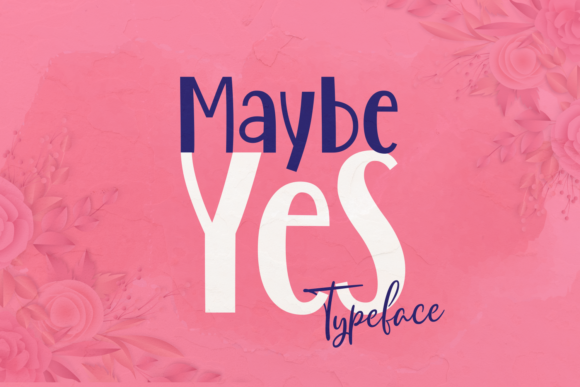
I recently found myself staring at a blank brand board, the usual suspects in my font library feeling a bit too safe. I needed something that would stand out—something with character. That’s when I stumbled upon Maybe Yes. As a script handwritten font with a bold and charming twist, it immediately caught my eye. It wasn’t just another pretty typeface; it had the potential to elevate a design project from good to unforgettable.
Maybe Yes for Logo Design and Brand Identity
When I first tested Maybe Yes on a logo draft for a local café, I was struck by how effortlessly it brought warmth and personality to the text. The font’s bold strokes and playful curves gave the brand a friendly yet sophisticated vibe. It worked especially well as a headline font, adding visual interest without overwhelming the overall design.
Maybe Yes is a great choice for branding projects where you want to balance elegance with approachability. Its script handwritten style makes it ideal for logos that need to feel personal and handcrafted. I paired it with a clean sans serif font for the supporting text, creating a dynamic contrast that made the brand feel both modern and timeless.
Maybe Yes for Packaging and Product Labels
As I moved into packaging design, Maybe Yes proved its versatility. I used it on a mockup for a skincare brand, applying it to product labels and taglines. The font’s bold charm added a sense of luxury while keeping the design approachable. It was perfect for short-form text, like product names or slogans, where clarity and impact were equally important.
Testing Maybe Yes on different materials was a revelation. It looked great on glossy paper, matte cardstock, and even digital printouts. The font’s legibility in small sizes was impressive, which is crucial for product labels that often require tight spacing. Whether it was a handwritten note on a label or a bold statement across a box, Maybe Yes delivered consistency and character.
Maybe Yes for Social Media Graphics and Digital Content
When working on social media graphics for a creative studio, Maybe Yes became a go-to font. Its script handwritten style added a personal touch to Instagram posts and Facebook banners, making the content feel more authentic. I used it for headlines and captions, ensuring it stood out against the background while maintaining readability.
One thing I noticed was how Maybe Yes adapted well to different screen sizes. On mobile devices, it still held up beautifully, which is essential for digital content. It also worked well with other design elements like icons and illustrations, helping to create a cohesive visual language for the brand.
Maybe Yes for Editorial Design and Print Materials
In editorial design, Maybe Yes helped bring a unique flair to magazine covers and flyers. I used it for titles and subheadings, pairing it with a serif font for body text to maintain a balanced typographic hierarchy. The font’s charm and boldness made it perfect for headlines that needed to grab attention without being too flashy.
For printed marketing materials, Maybe Yes was a standout. It looked great on brochures, posters, and even business cards. Its handwritten style gave each piece a handcrafted feel, which was exactly what the client wanted. I found that using Maybe Yes as an accent font allowed it to shine without overpowering the rest of the design.
Maybe Yes for Website Headers and Web Design
When designing a website header for a handmade shop, Maybe Yes was the natural choice. Its bold and charming twist made the site feel welcoming and inviting. I used it for the main title, ensuring it was large enough to be read easily on desktop and mobile screens. The font’s personality complemented the shop’s aesthetic perfectly.
What I loved about Maybe Yes was how it translated well from print to web. It maintained its visual appeal across different platforms, which is a huge plus for designers who work across multiple mediums. Pairing it with a modern sans serif font for body text created a nice contrast that enhanced the overall user experience.
Maybe Yes for Client Presentations and Branding Projects
Maybe Yes has become a staple in my design toolkit, especially when working with clients who want their brand to feel personal and unique. I’ve used it in everything from logo concepts to brand identity systems, always finding ways to make it work within the context of the project.
Before committing to a full brand system, I always recommend testing fonts in different applications. Maybe Yes is no exception. I suggest using it in mockups, presentations, and sample materials to see how it performs in real-world scenarios. It’s a great idea to pair it with other fonts to ensure a cohesive and balanced typographic palette.
Maybe Yes for Creative Studios and Small Business Owners
Whether you’re a creative studio or a small business owner, Maybe Yes offers a versatile solution for branding and design. Its script handwritten style adds a human touch to otherwise polished designs, making it perfect for businesses that want to connect with their audience on a more personal level.
With its bold and charming twist, Maybe Yes is a font that can transform any design project. It’s not just another script font—it’s a tool that brings personality, character, and professionalism to your work. If you’re looking for a font that can elevate your brand and make your designs stand out, Maybe Yes is definitely worth considering.